
Coming Soon! "Watt Smart Battery Program in Memphis"

see "Details" below

Power Your Future with Cumberland Renewables

Clean Energy Solutions Tailored to Your Needs

Are you ready to take control of your energy future? We specialize in harnessing the power of the sun to bring you reliable, sustainable, and cost-effective energy solutions.

Why Sonnen?
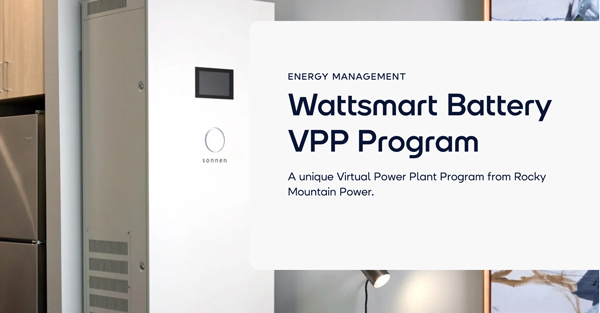
Wattsmart Program FAQs. (subject to change)

Where can I learn more about how to apply for the Wattsmart Battery Program?  You can learn more about the application process by contacting us.

Will participating in the program negatively impact my battery?

Ability to turn the battery on and off, participation in the program should not negatively impact your battery beyond what it is designed to do. Please consult with the battery manufacturer to fully understand how their specific battery will perform over time. 


Get a free consultation today and discover how a system from Cumberland Renewables can transform your home or business.


More...

What are the incentives for enrolling a battery and participating in the program?

Incentives have not yet been rolled out but Program participants could be eligible for upfront enrollment incentives and ongoing monthly bill credits.

Incentives will be reviewed periodically and may change at any time with a 30-day notice.

Will batteries provide power to my home if there is a power outage?

Batteries are capable of supplying backup power during outages, although your specific installation needs to be designed to provide backup power. Please consult with your battery installer and ensure it will meet your expectations.  

How does the program utilize batteries to manage the grid?

The program aggregates all the participating batteries and provides an energy resource large enough to provide energy when it is needed most. Excess solar energy is used to charge the batteries during the middle of the day then that energy is used later in the evening or mornings. In addition, the batteries can be called upon when there is a larger system need to manage voltage to keep the grid stable for everyone.  

How are batteries charged?

At this time batteries need to be charged by customers' onsite solar generation. This is needed due to qualifications for tax credits, although we expect this to change in the future and will work with stakeholders on how the program should evolve to include charging from the grid.

Is onsite solar generation required to participate in the program?

Yes, batteries integrated into customer onsite solar generation is required to participate in the Wattsmart Battery program. We anticipate this may change as the program matures. 

If I already have a battery installed can I participate?

Yes, if your current battery is a Sonnen battery you can enroll in the program, although you will not be able to receive the upfront enrollment incentive. You will be eligible to receive the annual participation bill credit. The enrollment incentive is available for batteries purchased and installed after the effective date of the program.  

I previously installed solar, can I add a battery and participate?

Yes, if you are an existing solar customer and install an eligible battery you can receive an enrollment incentive and annual incentives. Your participation in the Wattsmart Battery program, will not impact your current net metering/customer generation rate.

Can I request to be removed from the program?

Yes, customers can be removed from the program after providing 30-day advance notification. If you decide to withdraw from the program during your commitment period, you will be required to payback a prorated portion of the incentive to Provider based on the length of time you participated in the program.

Will I have to pay back the incentive?

Coming Soon.  

Is there a cap to the size of battery eligible to participate in the program?

Yes, currently the maximum battery eligible to participate is 30 kW. We expect this cap to change in the future.

What type of customers are a good fit for this program?

The best candidates are customers who are early adopters of technology, energy conscious and want to make a positive impact on the environment with renewable energy. This innovative program is in its infancy and will evolve over time. Customers who do not wish to be part of a continually evolving program should not participate. 

Will the battery qualify for tax credits?

We are not qualified to provide tax advice, please consult with your tax professional for how you may qualify. Our limited understanding is that a residential battery must be installed with and charged solely by an onsite solar array, while commercial batteries need to be charged by at least 75% from an onsite solar array. 

Do they intend to have the batteries charged by the grid?

Due to the tax credit rules we do not intend to have the batteries charged by the grid until there is an allowable exception and a need to do so.

Do all batteries qualify to receive an incentive and participate in the program?

No, for a battery to qualify for the incentive, battery manufacturers must apply and be accepted for their batteries to participate. The incentive amount is based upon batteries being able to connect to our system and meet the requirements for participation. We are hopeful multiple battery manufacturers will work with us to innovate for the future and pave the way for greater utility integration of batteries. 

Does it require the use of “approved” installers?

No. Customers are able to work with any installer they choose; however, we strongly suggest working with installers who have been certified by the battery manufacturer.  Incentives are contingent upon the batteries having a successful connection with our system.

Can any battery qualify for the program?

No. For us to justify paying an incentive, the batteries must be able to connect to our system. This will require battery manufacturers to work with us to create a working connection to our system. 

What batteries qualify for the program?

At this time, Sonnen Core, Sonnen Eco, and Sonnen EcoLinx batteries qualify for the program.

How often will the Provider control my battery?

When conditions are right, the Provider may utilize the battery on a daily basis.  

What if I move before my commitment period is complete?

Coming Soon!

Can I install a used battery?

No, to be eligible for the Wattsmart Battery Program upfront incentive, batteries must be new equipment.

Will batteries have a reserve percentage to be used for emergency power outages?

Yes, the Provider will not discharge batteries below 10%.

Will my battery be controlled all year?

Batteries will not be controlled daily from a schedule not yet determined. From select months batteries may only be used by provider for grid emergencies. Batteries may be utilized daily by the Provider on a schedule yet to be determined.

How low will my battery be discharged?

During the first year of the program, batteries will not be discharged below 50%. After the first year of the program, the minimum percentage will be re-evaluated.

More Information will be provided as the program is Rolled Out.

This information is subject to change or to be omitted.

Solar Systems for Reliable Performance!On and Off Grid

Our goal is to assist you in finding the best solution for your energy, using our 20 years of experience providing the resources for your solar project. A priority for us is your satisfaction.

Custom Solutions

SEE NEW INFO BELOW!

Sol-Ark Inverters: Their systems are built in the US and provide the interface to your electrical system and Solar Panels. Providing the best combination of available products to provide an enhanced system, with panels that are guaranteed for 20 years.

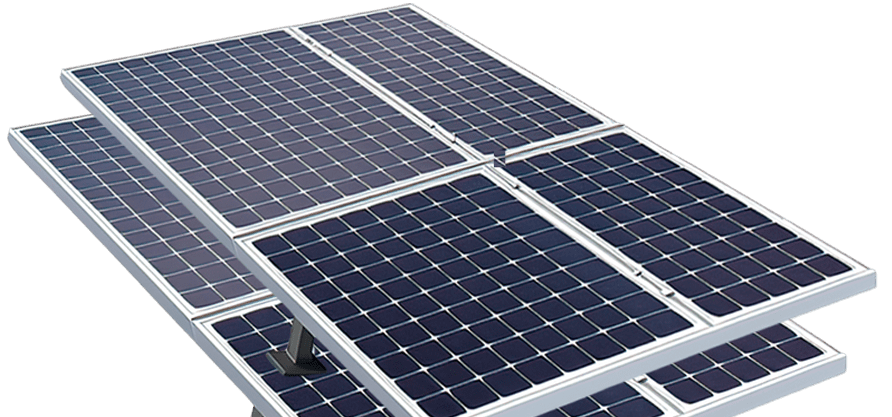
Ground Mount Solar

Versatile and adaptable: Ideal for residential, commercial, and utility-scale projects.
Optimal placement: Allows for precise positioning to capture the most sunlight throughout the day.
Increased energy production: Compared to roof-mounted systems, ground mounts can often generate more electricity due to optimal tilt angles and minimal shading.
Land utilization: Effectively utilize unused land for clean energy generation.

Contact Us

On Grid Information

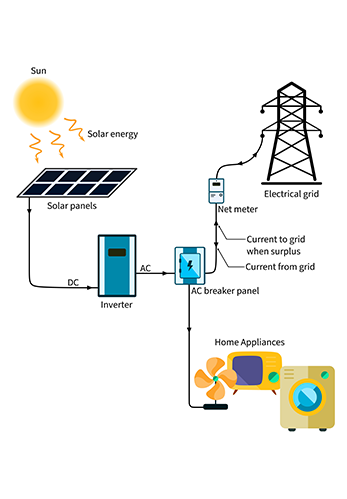
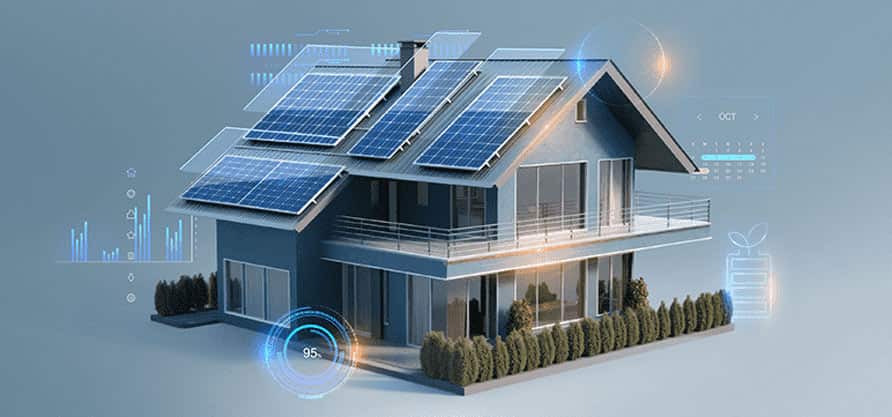
On-grid solar systems, also known as grid-tied solar systems, offer numerous benefits that make them an attractive option for homeowners and businesses alike. Reduced electricity bills by generating your own electricity, you decrease your reliance on the grid and significantly lower your monthly energy costs. In many cases, the savings can eventually offset the initial investment in the solar system. Many regions offer net metering programs, allowing you to sell excess solar power back to the grid for credits or even cash payments. This further enhances the financial returns of your solar investment. Studies have shown that homes equipped with solar panels tend to sell faster and at higher prices compared to similar homes without solar.

Off Grid Information

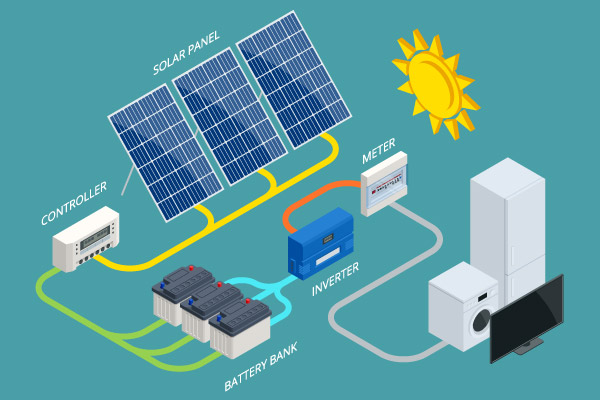
Off-grid solar offers several compelling benefits. Become completely free from the utility company and their rising electricity costs. You generate your own power, giving you control and stability. No More Blackouts. Power outages caused by storms or grid failures won't affect you. Your lights and appliances will stay on, providing resilience and peace of mind. Environmentally Friendly. Solar energy is a clean, renewable resource that reduces your carbon footprint and reliance on fossil fuels. Remote Power. Ideal for locations where utility power is unavailable or expensive to install. Power your cabin, RV, or off-grid home with ease.
CumberlandRenewables.com

Details

Residential Clean Energy Credit

If you invest in renewable energy for your home such as solar, wind, geothermal, fuel cells or battery storage technology, you may qualify for an annual residential clean energy tax credit.

How it works

The Residential Clean Energy Credit equals 30% of the costs of new, qualified clean energy property for your home installed anytime from 2022 through 2032. The credit percentage rate phases down to 26 percent for property placed in service in 2033 and 22 percent for property placed in service in 2034. You may be able to take the credit if you made energy saving improvements to your home located in the United States.

The credit is nonrefundable, so the credit amount you receive can't exceed the amount you owe in tax. You can carry forward any excess unused credit, though, and apply it to reduce the tax you owe in future years. Do not include interest paid including loan origination fees.

The credit has no annual or lifetime dollar limit except for credit limits for fuel cell property. You can claim the annual credit every year that you install eligible property until the credit begins to phase out in 2033.

Credit limits for fuel cell property

Fuel cell property is limited to $500 for each half kilowatt of capacity. If more than one person lives in the home, the combined credit for all residents can't exceed $1,667 for each half kilowatt of fuel cell capacity.

Who qualifies

You may claim the residential clean energy credit for improvements to your main home, whether you own or rent it. Your main home is generally where you live most of the time. The credit applies to new or existing homes located in the United States.

You can't claim the credit if you're a landlord or other property owner who doesn't live in the home.

You may be able to claim a credit for certain improvements made to a second home located in the United States that you live in part-time and don't rent to others. You can't claim a credit for fuel cell property for a second home or for a home that is not located in the United States. Find more on qualifying residences.

Business use of home

If you use a property solely for business purposes, you can't claim the credit.

If you use your home partly for business, the maximum available credit for eligible clean energy expenses is as follows:

  • Business use up to 20%: full credit
  • Business use more than 20%: credit based on share of expenses allocable to nonbusiness use

Find more on who can claim the credit.

Qualified expenses

Qualified expenses include the costs of new clean energy property including:

  • Solar electric panels
  • Solar water heaters
  • Wind turbines
  • Geothermal heat pumps
  • Fuel cells
  • Battery storage technology (beginning in 2023)

Used (previously owned) clean energy property is not eligible.

Qualified expenses may include labor costs for onsite preparation, assembly or original installation of the property and for piping or wiring to connect it to the home.

Traditional building components that primarily serve a roofing or structural function generally don't qualify. For example, roof trusses and traditional shingles that support solar panels don't qualify, but solar roofing tiles and solar shingles do because they generate clean energy.

Subsidies, rebates and incentives

When calculating your credit, you may need to subtract subsidies, rebates or other financial incentives from your qualified property expenses because they're considered a purchase-price adjustment.

Public utility subsidies for buying or installing clean energy property are subtracted from qualified expenses. This is true whether the subsidy comes directly to you or to a contractor on your behalf. However, utility payments for clean energy you sell back to the grid, such as net metering credits, don't affect your qualified expenses.

Rebates are subtracted from qualified expenses if all of these apply:

  • The rebate is based on the cost of the property.
  • It comes from someone connected to the sale such as the manufacturer, distributor, seller or installer.
  • It isn't given as payment for services you provide.

State energy efficiency incentives are generally not subtracted from qualified costs unless they qualify as a rebate or purchase-price adjustment under federal income tax law. Many states label energy efficiency incentives as rebates even though they don't qualify under that definition. Those incentives could be included in your gross income for federal income tax purposes. Find more about how subsidies affect home energy credits.

Qualified clean energy property

Clean energy property must meet the following standards to qualify for the residential clean energy credit.

Solar water heaters must be certified by the Solar Rating Certification Corporation or a comparable entity endorsed by your state.

Geothermal heat pumps must meet Energy Star requirements in effect at the time of purchase.

Battery storage technology must have a capacity of at least 3 kilowatt hours.


Go to https://www.irs.gov/credits-deductions/residential-clean-energy-credit#expenses to Learn More.